UMass Turing Summer Program 2026: a three-week computer science program for Western Massachusetts high schoolers
July 6–24, 2026 · Manning College of Information & Computer Sciences, UMass Amherst
Overview
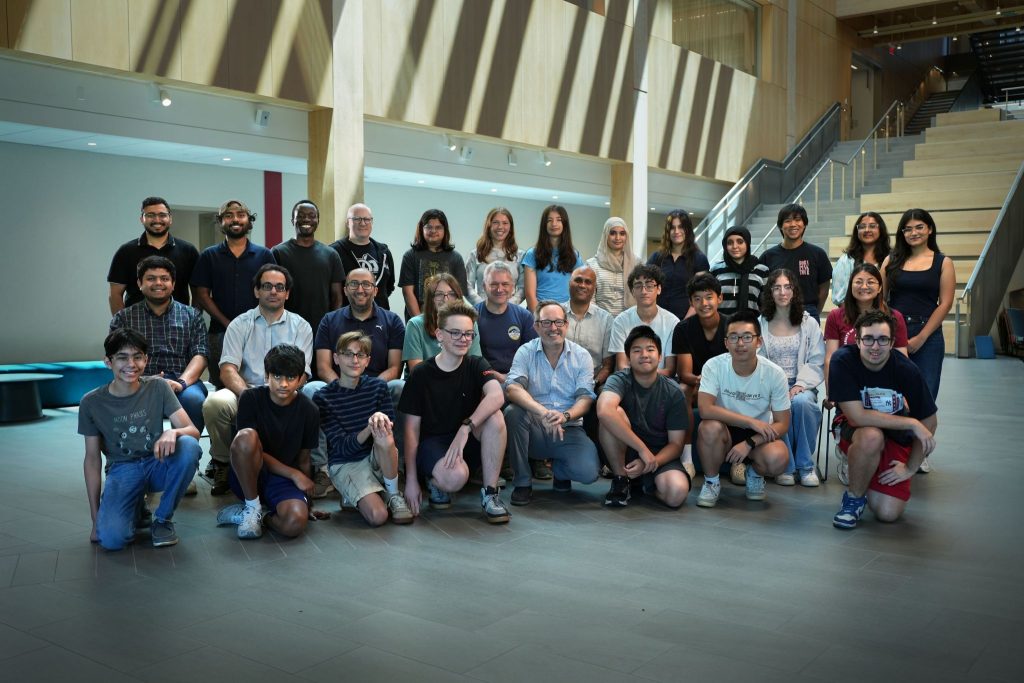
The UMass Turing Summer Program brought together local high school sophomores and juniors for three weeks of hands-on computer science education. Designed for students with little to no prior programming background, the program offered a broad, practical introduction to how computing — AI, robotics, cloud computing, networks, electronics, and 3D printing — can be applied to real-world challenges in fields like healthcare, energy, sustainability, and security.
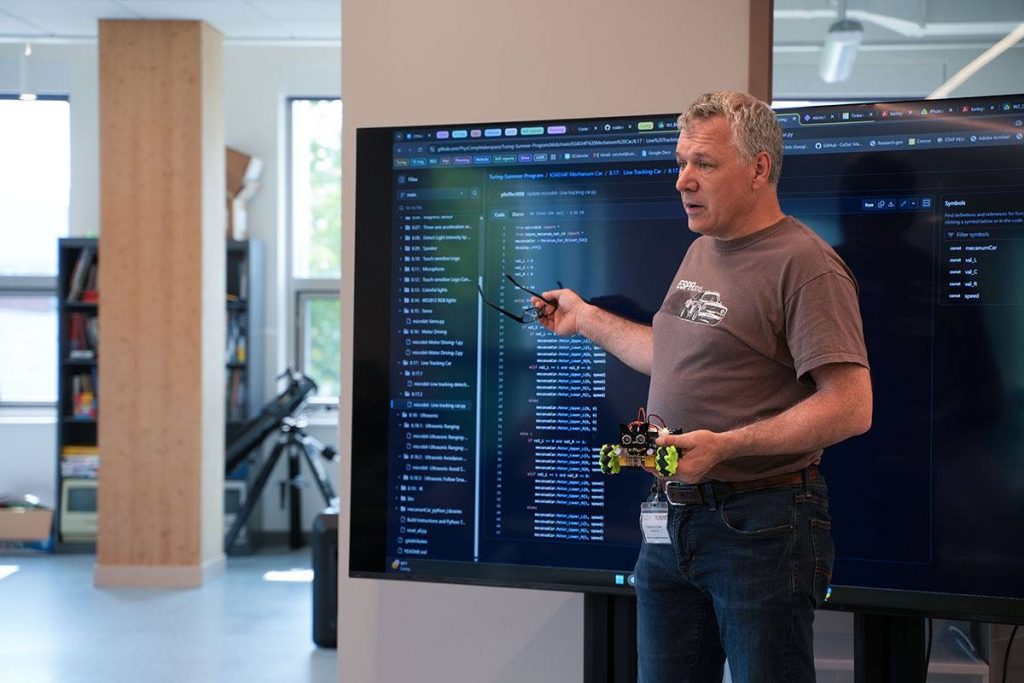
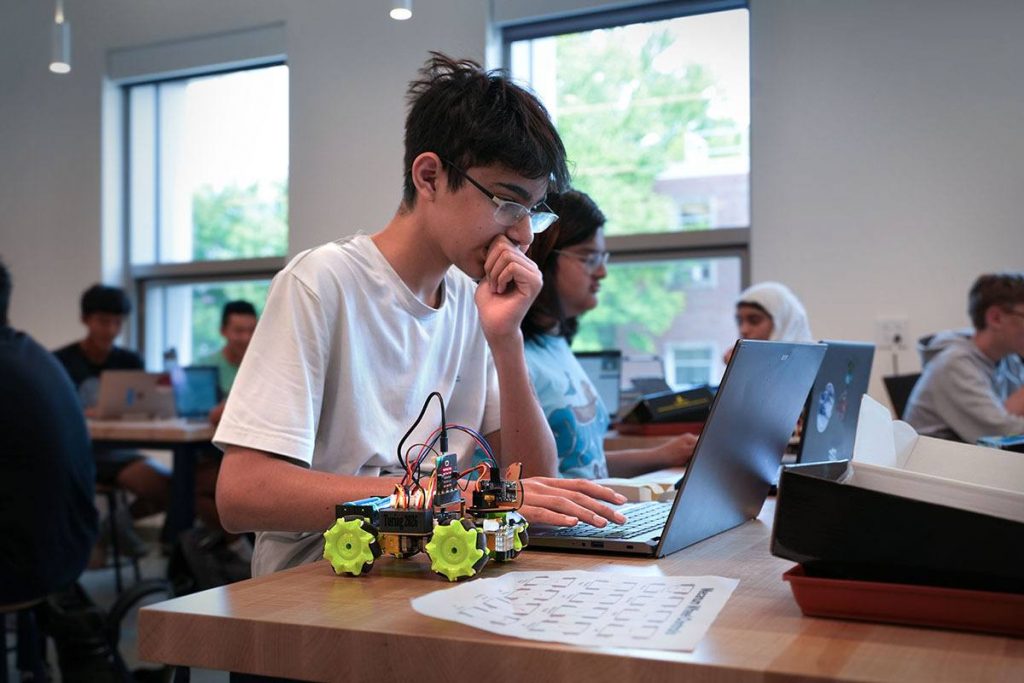
Across the 3 weeks of the program, the students built robots and applied the programming knowledge they learned to program the robots and solve complex tasks.
Highlights
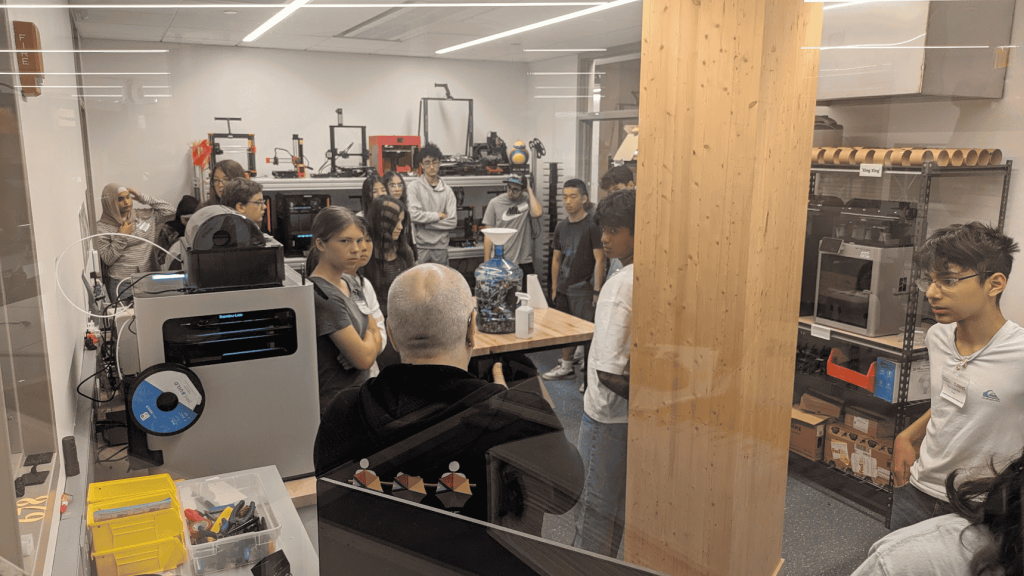
- Hybrid learning model. Classroom lectures from UMass faculty and researchers were consistently paired with same-day lab sessions and Makerspace time, so students immediately applied what they’d just learned — whether that meant writing their first Python loop or wiring a servo motor.
- Broad technology exposure. Across three weeks, students touched an unusually wide range of technologies for a high school program: robotics, embedded systems, cryptography, computer hardware, wearable sensors, 3D printing/CAD, and machine learning.
- Team projects with AI assistance. The capstone team projects were a clear highlight, showing off what small teams could build in a short time with AI tools in the loop — including 3D games controlled by 3D-printed physical controllers and self-driving robots. These projects doubled as a first real exposure to the challenges of teamwork: dividing tasks, integrating hardware and software, and debugging under a deadline.
- Connecting tech to real-world impact. Site visits (datacenter tour, ECE labs) and application-focused lectures (health wearables, transportation, energy and sustainability) kept reinforcing the program’s core framing: computing as a tool for addressing real societal challenges, not just an abstract skill.
- Mentorship and community. Program staff and mentors, together with current UMass CS undergraduates, ran a “Life as a CS Undergraduate” panel and informal hangout sessions, giving students a window into what studying CS in college actually looks like.
Closing
The program wrapped with a Demo Day where teams presented their final projects, followed by a program debrief. Over three weeks, students went from first lines of Python code to demoing autonomous, AI-assisted robots and games of their own design — a fast, hands-on introduction to what a career in computing can look like.